To speak of Manolo Valdés as a sculptor is to speak of a key figure in Spanish contemporary art. His work is recognized for its reinterpretation of classical art, its use of volume, and its strong presence in public spaces. Throughout his career, he has developed a series of sculptural works that combine tradition, technique, and artistic expression.
His monumental sculptures form part of the urban landscape of cities around the world, establishing Manolo Valdés as a leading contemporary Spanish sculptor.
Who is Manolo Valdés?
Manolo Valdés was born in Valencia in 1940. His artistic career began with links to pop art and a critical view of art history. From the outset, his work has moved between painting and sculpture, although over time contemporary artistic sculpture has taken on a central role.
His works have been exhibited in various art museums, galleries, and urban spaces, forming an active part of the international art world.
In the 1960s, this author was one of the founders of Equipo Crónica. This artistic collective reinterpreted classical images from a contemporary perspective. After this stage, he embarked on a solo career where he delved deeper into the human figure, volume, and matter.
This evolution marks the beginning of his own recognizable and solid language, placing him among the most influential sculptors of this era.
A sculptural language inspired by classical art

Manolo Valdés’ sculptures are inspired by classical art, but reinterpreted from a contemporary perspective. Never as copies, but as transformations.
One of this sculptor’s most recognized techniques is decontextualization. Elements from a canvas or historical portrait are transferred into three-dimensional space. By removing the original context, Valdés creates new interpretations that connect the past with the present.
This process reinforces the conceptual dimension of each work of art, allowing viewers to recognize the reference without losing the contemporary impact.
Materials in Valdés’ contemporary sculpture
Mastery of the materials he uses is essential to his work. Valdés mainly uses aluminum and bronze in his artistic sculptures. This can be seen, for example, in his works: La pamela, La mariposa, and La diadema. These materials are resistant and suitable for works that are placed outdoors.
Bronze sculpture allows for the creation of powerful and durable volumes. Many of his monumental bronze sculptures are designed to withstand the passage of time and environmental conditions. In addition, this material reinforces the physical presence of the work and enhances its sculptural character.

Sculptural process and sculptural technique
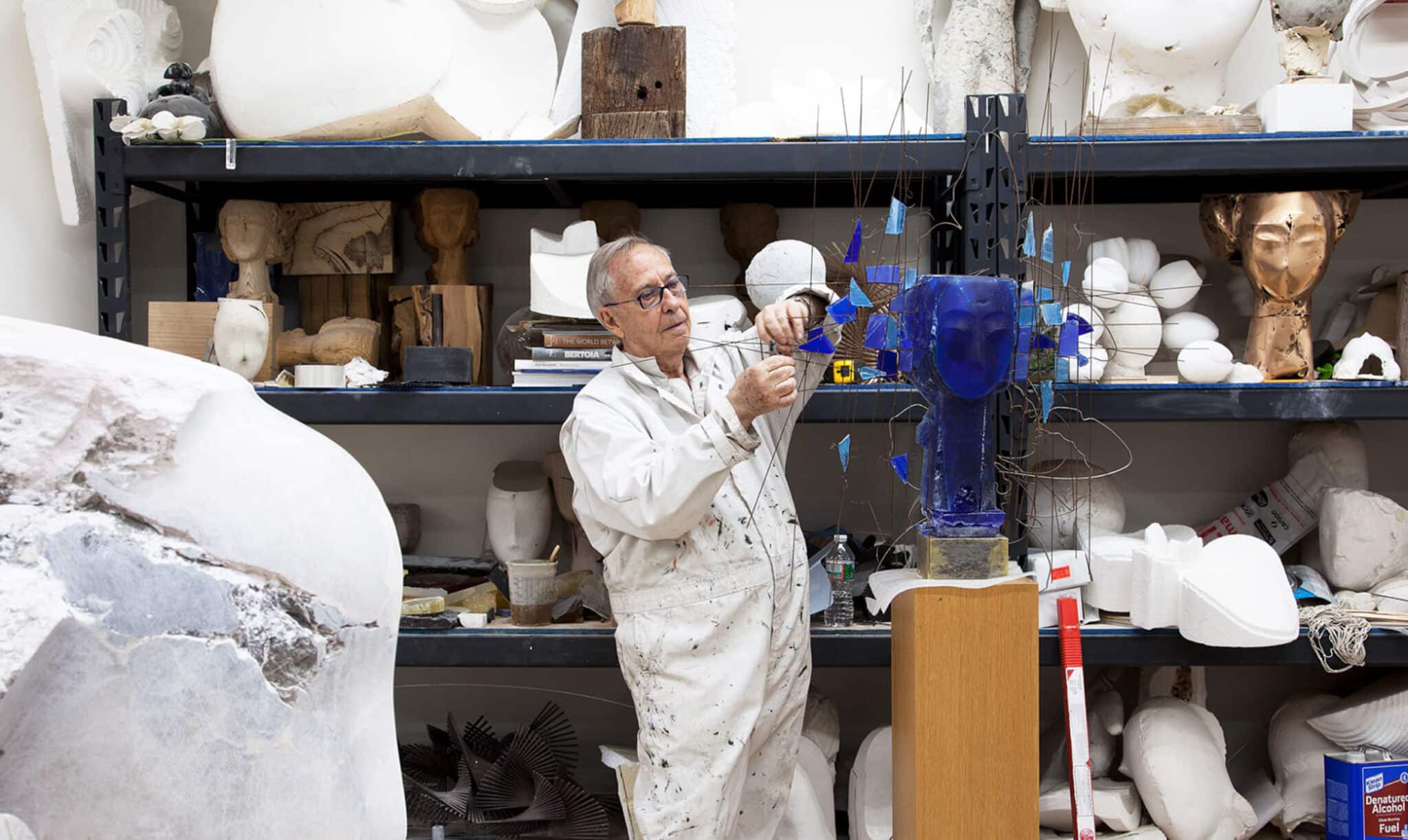
Behind each piece lies a complex sculptural process, where the initial idea is transformed into volume through different technical phases.
From model to casting
The creative process begins with preliminary models and studies that define the proportions and balance of the work. From there, the molds needed for casting the sculptures are developed.
Lost wax casting
Wax casting or lost wax casting is a fundamental technique in the production of metal sculptures. This method allows the original model to be accurately transferred to bronze, respecting the artist’s intention.
The relationship between sculpture and casting is key to ensuring stability, detail, and final quality in large-scale works of art.
Sculptural works and worldwide recognition
The masterpieces of this renowned author form part of both public and private collections. His presence in museums and different cities across the country reinforces his position within the contemporary sculpture scene.
His ability to combine art history, technique, and contemporary expression ensures that his sculptures continue to engage with the present. Each sculptural work maintains a timeless presence that connects with diverse audiences, consolidating his place within Spanish art.
His work has influenced generations of subsequent Spanish sculptors, demonstrating that tradition can coexist with innovation. The reinterpretation of the past becomes a creative tool. His understanding of form and space indirectly references artists such as Joan Miró, Henri Matisse, and Diego Velázquez.
Monumental sculpture and urban space
One of the most notable features of his career is monumental sculpture. His pieces are designed to coexist with contemporary architecture and everyday traffic. His public sculptures are integrated into spaces such as squares, parks, and avenues. These urban sculptures generate dialogue with their surroundings and become visual landmarks.
The synergy between sculpture and urban space is a constant feature in his works, reinforcing the role of art as a transformative element of the landscape.
Many of his pieces are large-scale, designed to be viewed from different angles and distances. Size is not just an aesthetic consideration, but an expressive tool.
Contemporary sculpture and artistic casting
Manolo Valdés’ career highlights the importance of technique and craftsmanship in sculptural creation. Sculpture casting, control of materials, and technical expertise are essential for transforming an idea into a work of art that is destined to endure.
A balance between concept, material, and process that defines much of contemporary artistic sculpture.